
Companions in Antwerp
An evening with Antwerp companions means knowing which squares fill after nine, where the rain turns the cobbles silver, and which neighbourhoods stay quiet enough to talk.
Where to start: the old town and the Scheldt
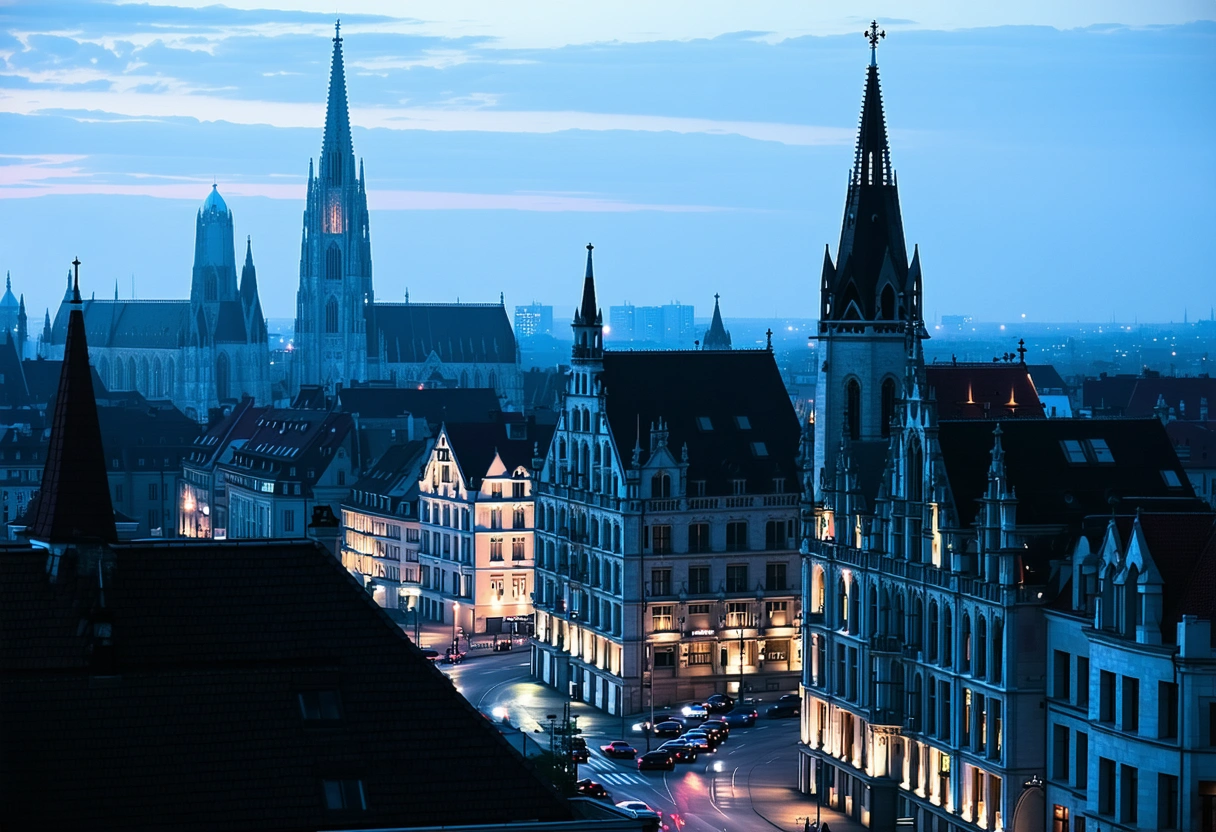
Begin in the Oude Stad, the grid of streets between Groenplaats and the river. The cathedral looms north. By eight in the evening the square in front of it clears of tourists; locals drink coffee at the outdoor tables and no one hurries. Walk west toward Sint-Jansvliet and you feel the shift: narrower streets, older buildings, the sound of the water getting closer.
The Scheldt itself is the thing to understand about Antwerp. Ships move past constantly. Stand on the embankment near the Sint-Pauluskerk and watch them. The light changes on the water every few minutes. This is not ornamental. This is a working port.
The neighbourhoods slope downward as you approach the river. Sanne Bakker, who studies design in the city and treats each evening as something to be genuinely interested in rather than merely seen, will notice the architecture shifts block by block: the older Flemish merchant houses give way to 19th-century warehouses, now mostly converted. She keeps the pace unhurried.
Eating and drinking: the real timing
Dinner here starts at nine. Not sometimes. Always. Walk through Sint-Andries after eight and the restaurants are still setting tables. By ten they are full and loud. If you want a meal before that, go to a bar, most serve food from earlier.
The south side of the Meir, Antwerp's main shopping street, has ordinary restaurants and ordinary bars. Nothing wrong with them. The real concentration of places worth visiting sits in the narrow streets of the Oude Stad, particularly around Hendrik Conscienceplein and running south toward the river.
The city in rain plays differently than in sun. The streets turn dark. The water on the cobblestones catches light from shop windows and the lamps overhead. People walk faster. The bars feel warmer and more actual. If your evening includes rain, consider it luck rather than accident.
The museums and what else there is
The Museum Aan de Stroom sits on the Hansestedenkaai at the water's edge: modern, glass-fronted, genuinely worth an hour. It closes at six most days. The Plantin-Moretus, housed in a 16th-century merchant's house in the Oude Stad, closes at five. These are daytime visits. By evening the museums are locked.
The concert halls—Lantaren Venster for smaller shows, deSingel for contemporary work—run most nights. Check what is on. The city has no shortage of cinemas. The Rubenskaai along the river has become increasingly pleasant in the last few years, with bars and restaurants facing the water.
Much of an evening in Antwerp is simply moving through the streets. The old town is compact enough to walk in circles. The eastern neighbourhoods, Berchem and beyond, are quieter, more residential. The south, toward Sint-Andries, fills with younger crowds later. Where you go depends on who you are with and what pace suits the night.
