Events & galas
Taking an escort to formal events means planning weeks ahead, understanding what discretion actually requires, and knowing which escorts handle galas well.
What booking an event actually involves
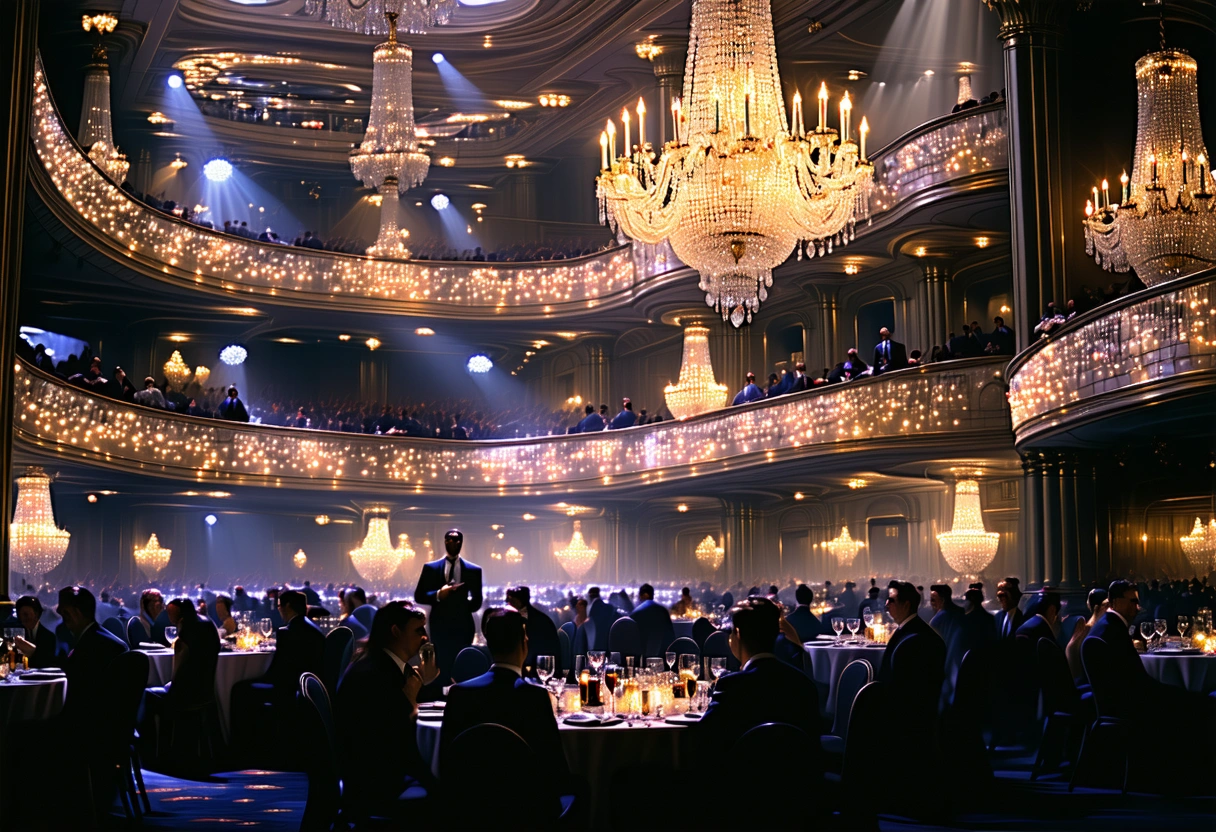
When you book an escort for a gala or formal dinner, you're arranging her time in blocks: typically four to six hours for an evening event, sometimes longer if the gala runs late or involves travel between venues. She'll arrive dressed and ready; you'll have settled the details by phone or message days beforehand. Expect to discuss the dress code, the location, what time she should arrive, and whether the evening includes dinner, drinks, or both. Some events require her to stay close; others let her circulate. You settle that in advance.
The booking isn't a performance. She attends as your guest. That means real conversation at the table, genuine interest in the people you introduce her to, and the ability to hold her own in group settings. It also means she'll notice if you've barely mentioned where you're going or what to wear, preparation matters more than spontaneity here.
High-end escorts who work events have done this before. Izabelle, at 35 and 176cm, speaks five languages and carries the experience that makes a formal evening feel natural rather than managed. Cleopatra, 42, is among the most seasoned on the Amsterdam roster; she's worked events long enough to know how to read a room. Alexandra, 41, handles galas with the ease of someone who's attended them for years. These aren't escorts trying events for the first time.
Discretion: what it means in practice
Discretion in this context is specific. It means she doesn't discuss the booking with anyone: not friends, not other escorts, not on social media. It means she doesn't introduce herself using your real name or mention details about your work, your family, or your circumstances to anyone she meets at the event. She's present as your guest, not as someone narrating the evening elsewhere.
For you, discretion means not photographing her without asking first, and absolutely not posting images online. It means introducing her by first name only: no last names, no titles that hint at how you met. If someone asks directly, a simple "This is my guest" suffices. Most people at formal events don't ask intrusive questions; the ones who might are the ones you don't answer anyway.
What discretion doesn't mean: she needs to pretend to be someone she isn't. She won't claim to be an old friend, a colleague, or a relative. She'll simply be there as your date. People accept that.
Some events are easier than others. A gallery opening in Amsterdam's Canal Ring or a charity dinner in the Jordaan tends toward crowds where arriving with a guest draws little comment. A small, intimate dinner where everyone knows everyone's history is harder: more questions, more scrutiny. Discuss this beforehand. Luxury escorts like Celine, tall at 175cm and composed at formal occasions, know which settings work best.
Finding the right escort for the event type
The nature of the event shapes who books it. A black-tie gala requires someone comfortable in formal dress and at ease in structured settings. An art opening or music festival allows more flexibility in how she carries herself.
Angella speaks English, French, and Spanish, which matters if the gala draws an international crowd or if you're attending in a context where languages matter. Dalya's striking black hair with blue eyes tends to be the feature people remember about her appearance, which works if you want someone distinctive without being obvious. Catalina, at 173cm and blonde, carries herself well at formal events: she's one of three escorts on the Amsterdam roster at DD cup, a presence that reads confidence as much as physical description.
For an evening that's mostly dinner and conversation, Annabel keeps a deliberately short booking list in Amsterdam, which means she takes on fewer clients and approaches each one carefully. Alessia, 24 and compact at 160cm, handles dinner dates and evening events with the quiet attention that makes people feel attended to rather than observed.
If the event runs long or you're unsure how it'll go, consider an escort who books overnight availability. Anely takes dinner dates and full evenings through to morning. Bianca, 24 and composed, books nights out and overnight stays. Ariel, 22, handles the same range, which gives you flexibility if the evening extends or if you need her presence across multiple events in a weekend.
Upscale escorts understand the underlying logic: you're not hiding her or yourself. You're simply conducting an evening with someone you've hired rather than someone from your existing social circle. That distinction, once you understand it, changes how you prepare.
Book three to four weeks ahead for major galas. Two weeks minimum for smaller events. Confirm details—exact address, parking or arrival logistics, dress code specifics—five days before. Check the weather. Arrange transport if either of you will be drinking. Keep her number in your phone under a generic name if that matters to you, though it usually doesn't.
The evening itself runs better when you're genuinely present with her rather than performing the evening for others. Talk to her. Introduce her to people you actually want her to meet. If you're anxious about how it'll go, she'll feel that; if you're relaxed, the whole thing settles into something closer to normal.