
Gezelschapsdames in Rome
Rome 's nachts volgt zijn eigen ritme. Een avond hier met de juiste gezelschapsdame betekent weten welke wijken na zonsondergang leeg lopen, waar Romeinen werkelijk om negen uur eten, en hoe de stad aanvoelt wanneer regen de toeristenroutes leegveegt.
The geography of an evening
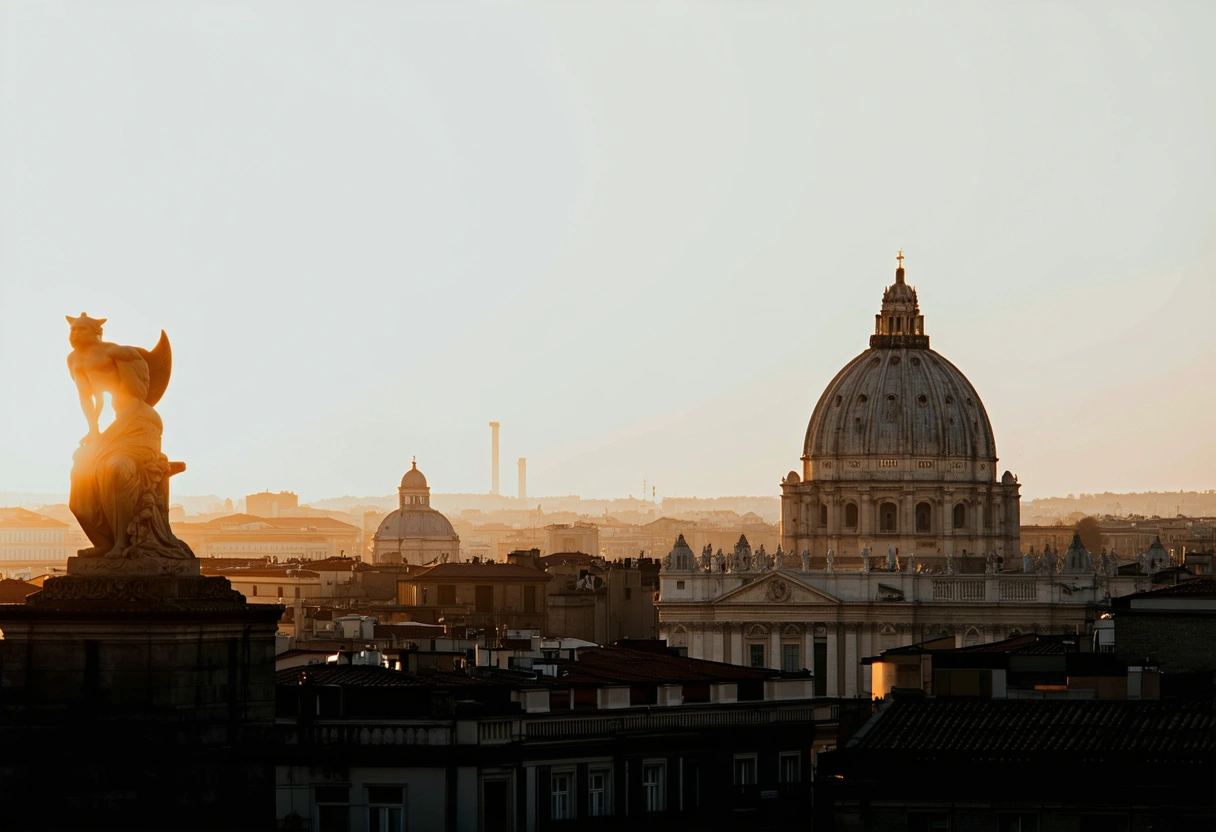
Most visitors spend nights in Centro Storico or near the Colosseum, areas that stay crowded and lit until late. Better to understand the rhythm elsewhere. Trastevere fills with Romans from seven onwards, locals moving between bars in Via della Lungara and the smaller streets behind Basilica di Santa Maria. The neighbourhood cools noticeably by midnight. East of there, Testaccio stays quieter; the archaeological museum sits empty by evening, but the bars along Via di Monte Testaccio see steady crowds. North, around Piazza Bolognesi in San Lorenzo, is where university students congregate. Rain changes everything. A wet Tuesday in November sends people inside by eight. The stone gets slick. Fewer tourists on the streets means fewer crowds, though fewer options too.
Valentina Rossi, Roman and entirely unapologetic about it—loud laugh, strong opinions about food, a genuine warmth that fills whatever room she is in—speaks English, French and Italian fluently. She knows which places locals actually use and which ones cater to the guidebook crowd.
Eating and moving through the evening
Romans eat late. Restaurants open for dinner around eight. Before that, aperitivo hour, roughly six-thirty to seven-thirty, happens in bars across the city. Campo de' Fiori swarms with tourists at this hour, but the bars in surrounding streets see more mixed crowds. A bar in the Ghetto, the Jewish quarter near the Tiber's bend, serves small plates and wine to locals who've worked through the day. Order what's offered rather than scanning menus.
Dinner itself lasts hours. Nine to eleven is standard. The meal moves slowly. Courses arrive separately. Conversation fills the space between plates. This is the point of the evening: sitting, talking, being present with someone. Nobody hurries you out.
After dinner, options thin depending on what you want. Clubbing exists in Testaccio and Ostiense, south and southeast. Most clubs don't fill until past midnight. Alternatively: a late drink at a bar in Monti, the neighbourhood east of the Forum where narrow streets hold small wine bars and conversation is the activity. Or simply walk. The city in rain at one in the morning is nearly empty. The Tiber moves past the Castel Sant'Angelo with almost no one watching.
What to expect, practically
Nights are cooler than days, obviously, but Rome's humidity persists. Comfortable shoes matter more than appearance. The city is clean by day and cleaner by night. The metro runs until midnight-thirty roughly. After that, taxis are the expected option. Most neighbourhoods are safe. The areas tourists visit are particularly safe. Walking alone at three in the morning is different from walking with someone.
A companion here does what companions do elsewhere: provides company, makes introductions unnecessary, ensures conversation fills the hours. The particular advantage in Rome is that someone who knows the city can navigate away from the obvious routes: can find a bar without tourists, can order in Italian when the menu is unclear, can explain why a certain dish matters or why a neighbourhood looks the way it does. The city reveals more this way. Not because of any dramatic secrets. Simply because you are moving through it like someone who lives there, not someone visiting.
