
Companions in London
An evening in London works best with someone who knows the city: where to go, what to book ahead, how the rain changes a plan without ruining it.
Evening rhythms and where to eat
London eats late. At eight o'clock the restaurants are half full; by nine they're packed. This matters when you're planning an evening with companions in London. Book a table for nine, not seven. You'll have time beforehand—a drink somewhere, a walk—and you'll arrive when the room has energy.
South of the Thames works well for this. Borough Market stays open to the afternoon; the bars fill after work. Southwark has restaurants along the water and quieter streets a minute back from them. Or go north to Fitzrovia, which is calm at eight and animated by ten. The alleys between Tottenham Court Road and Goodge Street have places that don't announce themselves loudly.
Zara Haddad, who works in the art world and grew up between London and Beirut, moves easily through these quarters. She speaks English, French and Arabic, and knows how to read a room, useful when you're navigating the particular social geometry of an evening out.
Rain in London doesn't stop things; it only changes the texture. Wet pavements around Covent Garden glisten under the street lights. The National Gallery stays open to nine on Fridays: worth knowing if you want something to do before dinner, or after if you both prefer to wind down that way. The walk from there to Soho takes eight minutes.
What to do before or after
A concert at the Barbican, if you're there on the right night. The Southbank Centre has everything from classical to jazz, and the riverside walk there is as good in the dark as it is in daylight. Check what's on; London's music calendar moves fast.
The British Museum is open to half eight most evenings. Few people are there past seven. The Egyptian galleries, the Greek sculpture, it's a different place when it's quiet. Room to breathe. Room to talk.
Mayfair and Belgravia are quiet after dark. If you want a drink and conversation without having to raise your voice, find a bar in these areas. They tend toward the discreet.
How the city feels at night
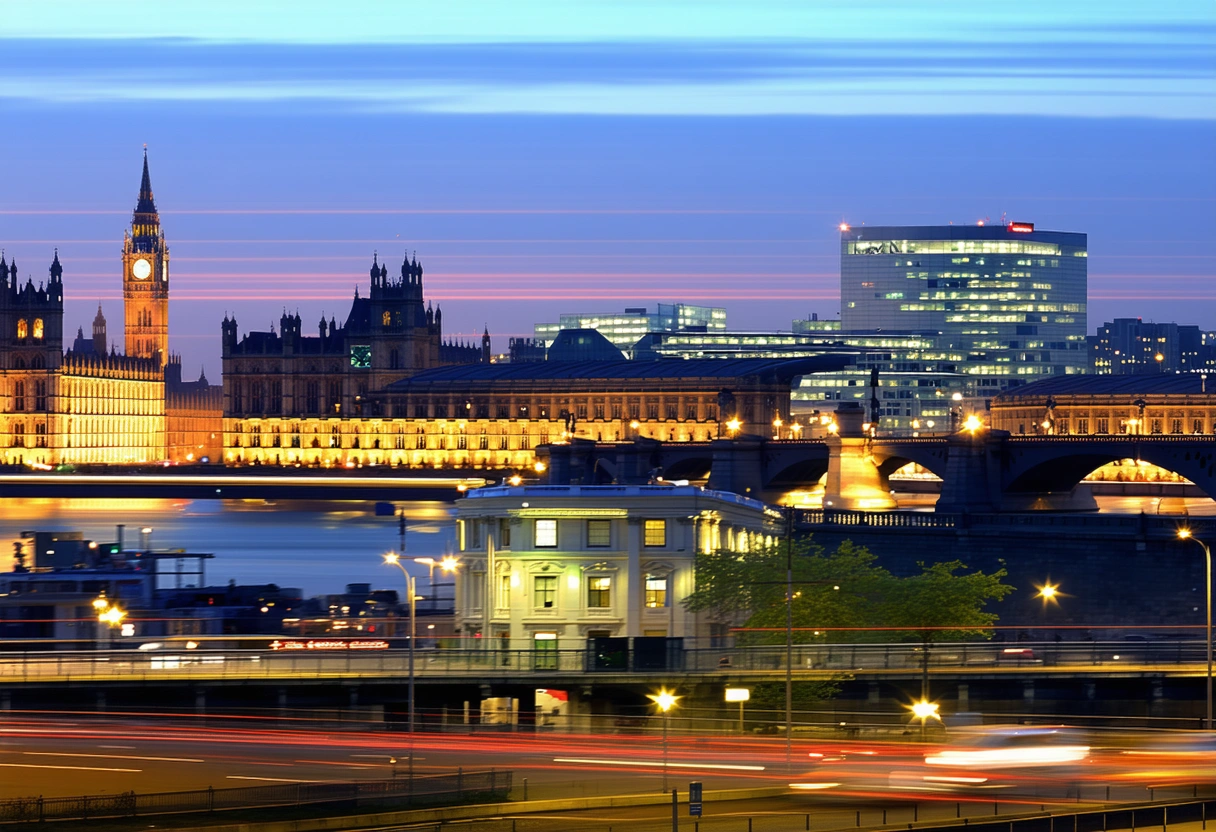
November through February, dark comes at half four. The city looks different under street lights for so much of the day. The Thames between Waterloo and Westminster has a particular cold shine to it. St. Paul's Cathedral is lit from below. The streets around Bloomsbury are nearly empty.
Summer, and you have light until ten. The parks—Hyde Park, Regent's Park, Green Park—stay open. Kew Gardens closes at dusk, but the walk along the towpath toward Kew Bridge is pleasant in the late evening.
Weekdays are quieter. Friday and Saturday nights bring crowds; the West End is loud. If that matters to you, choose a Tuesday. Soho is Soho regardless, but Holborn and Clerkenwell thin out considerably.
The city is itself at night: neither better nor worse than it is at midday, just different. You notice the architecture more when there's nobody in front of it. You notice the rain. You notice the people who live there, and the rhythm they move to.