Companions in London
An evening companion in London means someone who knows the city's actual rhythms: where to eat at nine, which museums stay late, how the rain changes a street. The best ones move between worlds.
Where to start: the neighbourhoods that work
Book your companion somewhere central enough that neither of you wastes the evening in transit. Fitzrovia, between Tottenham Court Road and Marylebone Road, is quiet for central London: hotel bars here feel like rooms rather than lobbies, and you can walk to the British Museum on Great Russell Street if the evening calls for it. Mayfair works if you want the opposite: streets lined with galleries, restaurants where people actually sit at nine o'clock, a particular version of London that's profitable and orderly. Zara Haddad, who grew up between London and Beirut, knows this side of the city from her work in the art world by day; she moves through both Fitzrovia's understated hotels and Mayfair's private viewings with the same ease.
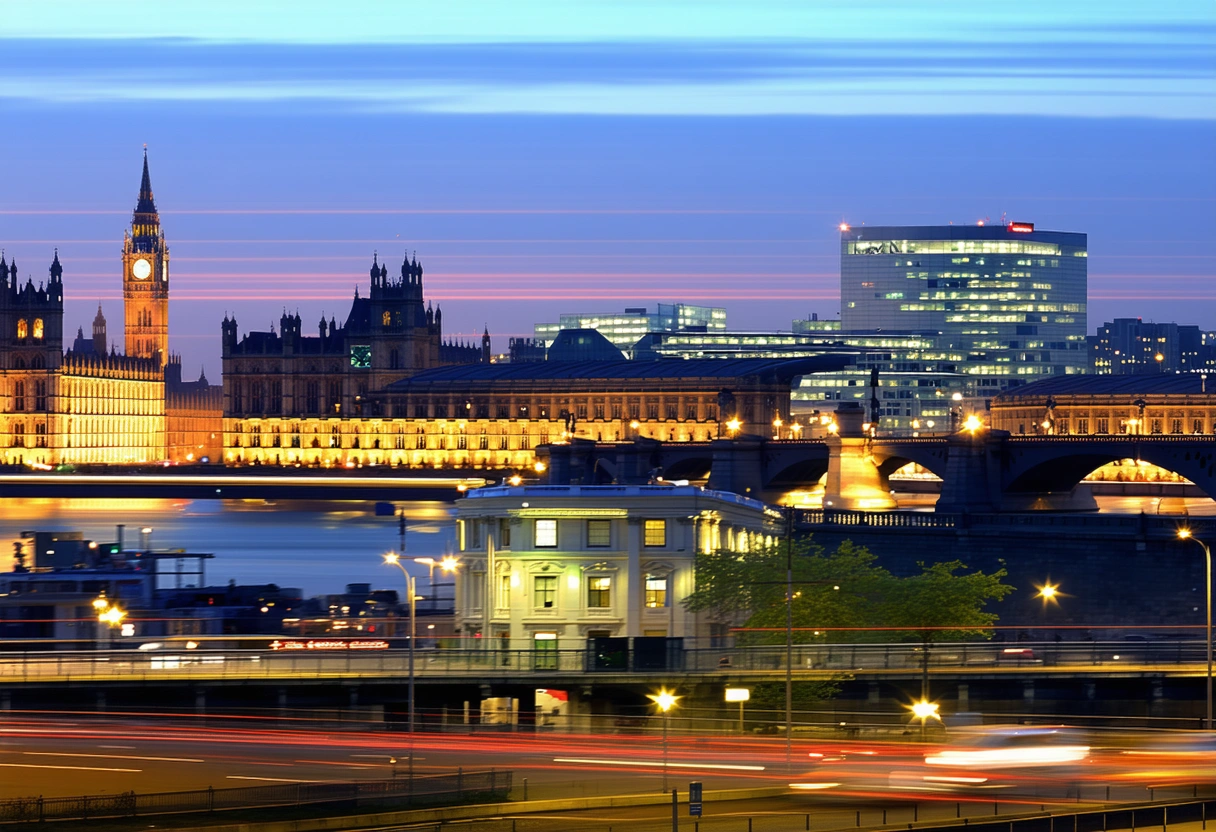
South of the river changes everything. Southwark, around Borough Market and the National Theatre on the South Bank, is slower in the evenings than you'd expect given its daytime crowds. The Thames Path here actually feels like a walk rather than a photo opportunity. The rain, which comes often, makes the pavement reflective and the galleries worth ducking into.
What to do: the genuine options
The National Gallery, Trafalgar Square, stays open late on Fridays. The rooms are real, you can actually see the paintings instead of standing behind five rows of phones. The British Museum's Great Court is open in the evenings too, though the collection itself closes. If your companion knows the collection, ask them to show you one room they actually like rather than moving through the canonical highlights.
Most restaurants seat late, but not all. Those that do tend to be French or Italian, places in Soho or Bloomsbury where the kitchen works through to eleven. A bar in Shoreditch or King's Cross will still be full at midnight. A pub in Clerkenwell around eight in the evening is nearly empty. These rhythms matter more than any specific venue.
The Royal Opera House in Covent Garden has performances most evenings. It's ordinary to find tickets, though you'll need to check what's on. A concert at the Barbican—the performance hall on Silk Street, in the Barbican Estate—is another genuine option. The building itself is concrete and serious, which some people find handsome and others don't.
The actual evening
London in winter is dark by five. The rain comes horizontal. Restaurants and bars have real warmth in them, not the artificial kind. Your companion should know the difference between a room where you're supposed to perform and a room where you can simply sit.
The late hours are quieter than you'd expect. By eleven, even central streets have space in them. The Night Tube runs on certain lines, check which ones, but taxis are simpler. A good companion will know the neighbourhoods where you want to be, which bars are actually comfortable, and which museums have rooms you haven't seen. They'll know the difference between London at eight and London at midnight, and they won't pretend the city is more than it is.