Escorts in Brussels
Brussels rewards slowness: the kind of evening a good escort can give you, moving without hurry between neighborhoods that shift within blocks.
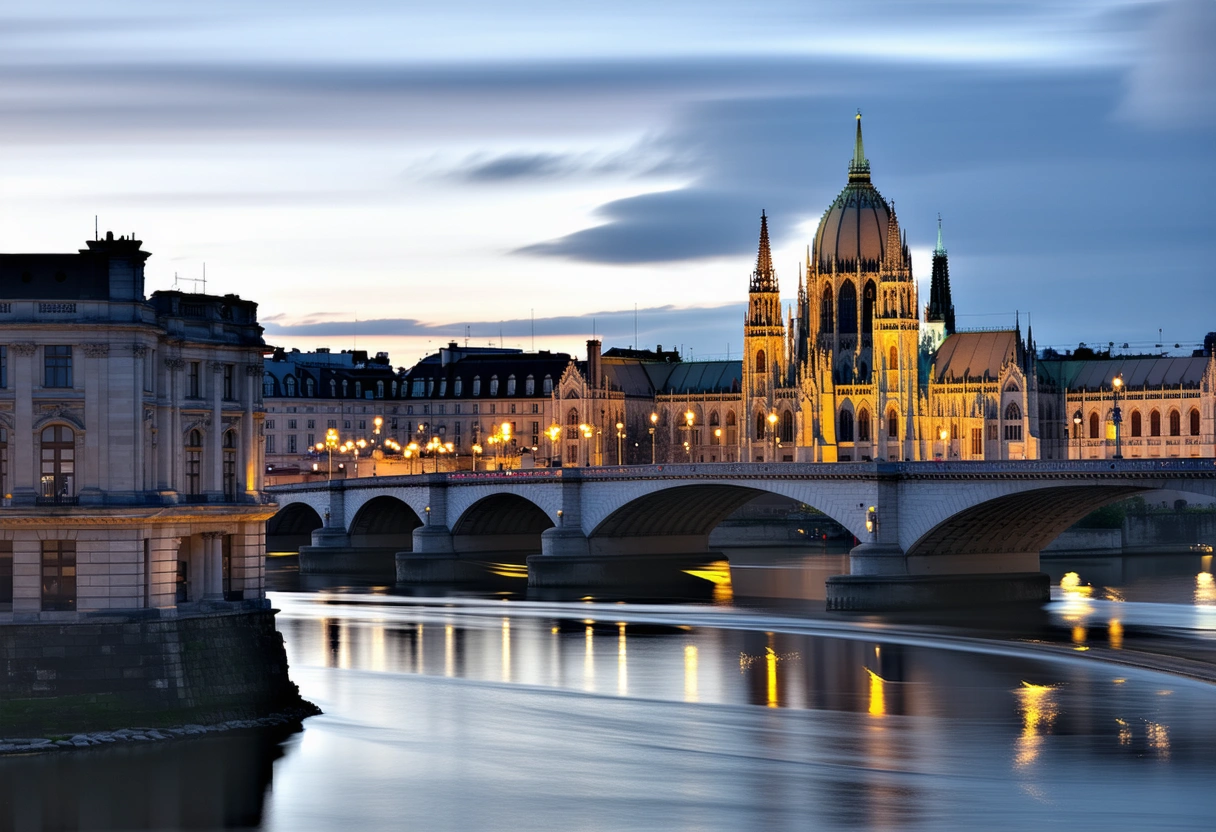
Evening rhythm in the city
Brussels eats late. Dinner at nine is normal; at eight you'll find restaurants half-empty. The city has no single centre pulling everything toward it. Instead there are quarters: the Grand Place touristy and floodlit, the Sablon quieter with galleries and antique shops, the Marais with its narrow streets and older bars where people actually drink. Rain is common and changes the pace further. Wet cobblestones turn the old town inward. You notice the light from windows more. Conversations get longer.
Chloé Dubois knows this city properly. She studies art history part-time and approaches an evening methodically—like moving through a gallery, she says—which means she will not rush you through neighborhoods. She speaks English, Dutch and French, and has lived here long enough that she can read which cafés are local and which are for tourists passing through.
The neighborhoods to move through
The Sablon is where you go if you want to stay near good restaurants and walk afterward without pretense. The quarter sits on high ground; streets slope and intersect irregularly. Galleries stay open late. The Place du Grand Sablon itself is ringed with bars where you can sit outside if it's not raining, or inside the older ones, wood and dim lighting, if it is.
The Marais lies just north and is genuinely quiet. Medieval street widths. No crowds. A few bars, some restaurants that don't advertise much. This is where locals actually live and walk. From the Marais you can reach the canal in ten minutes: the Canal de Willebroeck runs north-south with a walking path alongside, banks dark at night and shaped by older Brussels before the car came.
The EU Quarter around Rue de Trèves is another thing entirely: modern, office-lit, practical. Skip it unless you have a specific reason.
What to do with the evening
A museum visit makes sense only if you genuinely want one. The Musées Royaux des Beaux-Arts closes at five. The Magritte Museum—separate building, same complex in the Sablon area—opens until five as well. Plan museum time for afternoon if it matters to you.
Food is the real evening. Belgian beer is straightforward; a good bar will have five or six on tap worth trying. Mussels appear on most menus between September and April: if you're there in that season, eat them. Waterzooi, the local stew, is ordinary food done well. Frites with a proper sauce are better than they sound. Chocolate shops cluster near the Grand Place and everywhere else; the good ones are neither flashy nor in the tourist zone.
Walk slowly between meals. Stop in a bar for a beer or coffee. Sit. This is what an escort who understands the city, who actually lives here rather than passing through, knows how to do: the evening doesn't need to be packed with things. Brussels is better when you let it settle around you.