Companions in Brussels
An evening in Brussels means eating at nine, moving slowly through quieter quarters, and knowing which bars survive the rain. Find companions here who know the rhythms.
Where to spend the evening
Brussels splits itself into districts with different weights. The Grand Place sits at the centre — touristy at dusk, genuinely empty by midnight — but an evening there feels obligatory rather than chosen. The real movement happens in Saint-Gilles, where locals actually live. The streets around Place Saint-Gilles fill from nine onwards: the square itself holds restaurants and bars in converted townhouses, nothing fashionable, everything ordinary in the way that works. Ixelles, east across the Rue de Trône, carries a different mood: younger, art-school debris, the Musée des Beaux-Arts de Belgique at one end if the light holds. In winter the city is often wet, sometimes grey for days, and the covered arcades around Galeries Royales Saint-Hubert become actual geography rather than a shortcut.
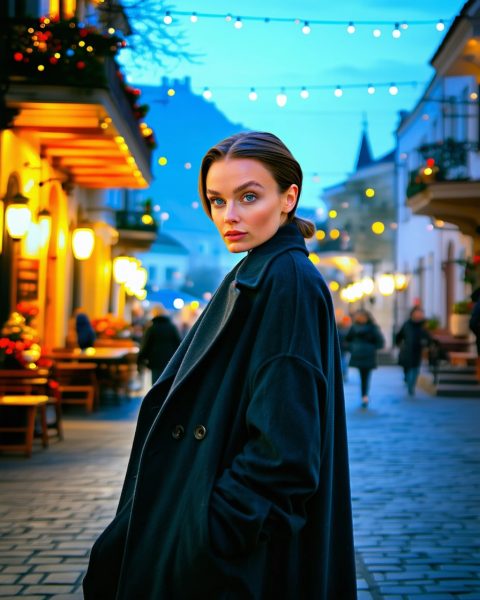
Chloé Dubois knows these streets the way she reads paintings: she studies art history part-time and treats an evening the way she treats a gallery, slowly, and with real attention. She moves through conversation without rushing it; she is softly spoken until she is not. An evening with Chloé works best in the quieter quarters, where the rhythm matches her own.
Restaurants and the rhythm of the night
Belgians eat dinner from nine onwards. Earlier, around seven or eight, you can eat alone or with purpose, but the evening's actual life starts when tables fill. The restaurants in Ixelles and Saint-Gilles understand this. They serve straightforward food — carbonnade, waterzooi, mussels in season — and they stay open because people are there, not because the clock says so. A glass of Trappist beer or a Pils holds longer than wine does in a night structured this way.
The bars persist. Some serve nothing but coffee and spirits; others run long, the kind of places where the same faces appear at eleven and at one. In Sablon, the quarter of antique dealers and dark windows, the bars sit quieter still, useful if conversation matters more than volume. Rain doesn't empty Brussels. It crowds the covered passages and makes the side streets feel safer, more interior. Locals retreat into the arcaded shops between Boulevard Anspach and the Grand Place, or simply move from bar to bar within the same building, as if the whole city had become one heated room.
What to know beforehand
Brussels has the Palais Royal, the Musée d'Art Moderne et d'Art Contemporain, and the Horta Museum in Saint-Gilles: a house by an architect, not a reconstruction. Evening light matters for the house. Other cities claim their museums as evening destinations; Brussels doesn't really do that. Museums close at five.
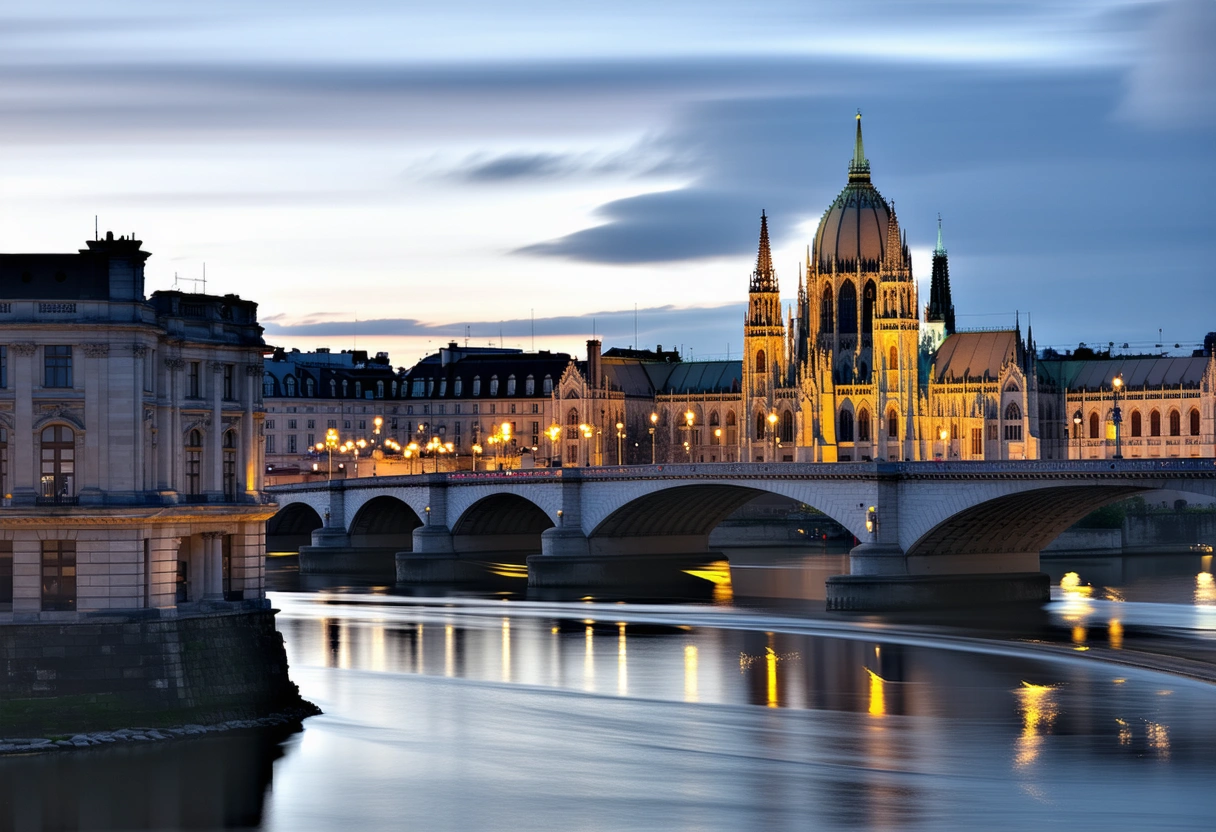
The train stations work: Bruxelles-Central for everywhere, and it's neither far nor close to anything. The streets between there and the river run steep. The city is small enough that standing on one bridge, try the Pont de la Chapelle over the Senne at dusk, you can see it shape itself. The Senne itself barely runs; it's mostly there.
An evening in Brussels requires no performance. It requires showing up after nine, knowing that things start late here, and being ready to stop moving when a bar or corner feels right. The city doesn't insist. That's the entire point.