Escorts in Amsterdam
Amsterdam reveals itself in layers. Get to know the city through someone who understands it from the inside.
You arrive at Schiphol in the evening and take the train into Centraal Station: twenty minutes, direct. The city reveals itself in layers. First the station itself, then the quarter behind it: sex workers in windows, tourists photographing them, locals buying flowers and eating stroopwafels at Albert Cuyp Market without looking up.
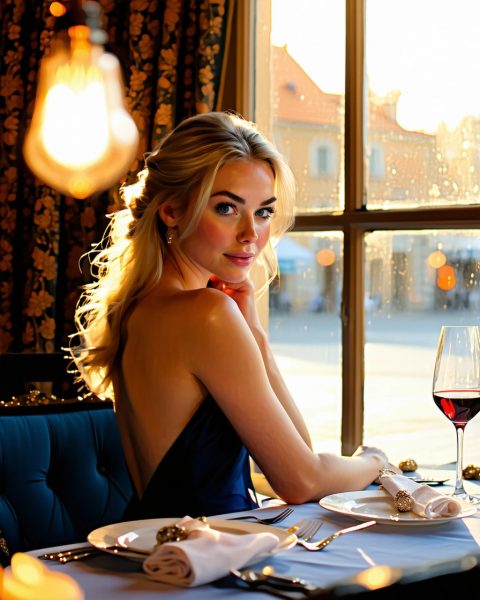
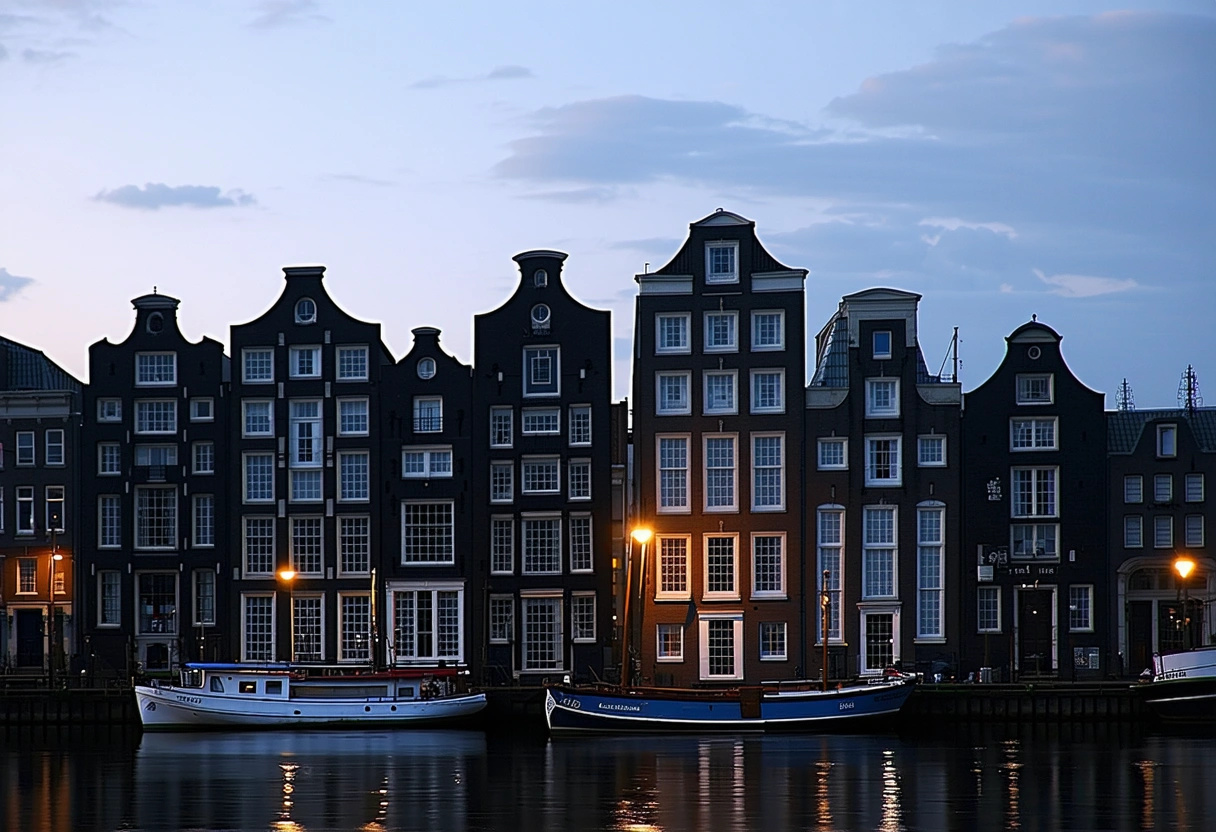
Most hotels sit in the centre, around the Grachtengordel. The water is always there, dividing things cleanly. Nadia Hoekstra knows Amsterdam as someone born to it does: straightforward, funny, impossible to embarrass. She speaks English, Dutch and German, and has the practical manner of someone who rows on these canals in winter. With Nadia, the city stays itself rather than performing for you.
The rain here is not romantic. It's horizontal when the wind comes off the IJ. You buy an umbrella at a supermarket for a few euros and move on.
Dinner and evening
You eat late. Nine o'clock is normal, ten is not unusual. The Jordaan district—the real one, west of the Grachtengordel—has restaurants that locals actually use: small places on narrow streets where you can hear the kitchen. The canals run north-south here, crossed by footbridges that creak.
Afterwards, you move to a brown café. The term means something specific: low ceilings, dark wood, no music, serious drinkers. They're in every neighbourhood. You'll find them on Prinsengracht, on Brouwersgracht, tucked into corners. The bartender doesn't care who you came with. He pours Amstel from the tap and moves on.
If it's summer, the terraces along the Amstel River stay open past midnight. If it's winter, you go inside.
Late night and the quarters to know
The Wallen, the medieval quarter where the windows are, is crowded after ten. The narrow streets hold crowds the way canals hold water. It's not somewhere to linger unless you're specifically there for it. The Red Light District is a neighbourhood where something particular is sold, openly and legally. It exists alongside small hotels, cafés serving breakfast, and churches. This is normal Amsterdam.
De Pijp, south of the river, is where independent escorts often base themselves. The Albert Cuyp Market runs through it during the day, packed with produce and Dutch pancakes. At night the market closes and the streets quiet down. The restaurants and bars around Albertplein attract people who live in the neighbourhood, not tourists looking for atmosphere.
Nadia works from central locations and knows how to move through the city without theatre. The evening follows what you both want, without pretence about what it is. Some nights that means sitting in a quiet bar on a side street in Jordaan. Other nights it means something else.
The city doesn't perform for you if you don't ask it to. It just runs: the trams on their fixed routes, the cyclists ignoring red lights, the rain coming and going, the bars filling at midnight, empty by two. Amsterdam works best when you work with it.