Companions in Barcelona
An evening in Barcelona moves to its own rhythm. Book a companion who knows the city, and you'll find that rhythm faster.
Where to eat and what time matters
Dinner in Barcelona happens late. Nine o'clock is normal; ten is common. You'll walk past empty restaurants at eight and find them full an hour later. The Gothic Quarter fills first — narrow streets between the Cathedral and the waterfront, where tourists cluster — but the real Barcelona eats in Gràcia, the neighbourhood north of Passeig de Gràcia where locals live actual lives.
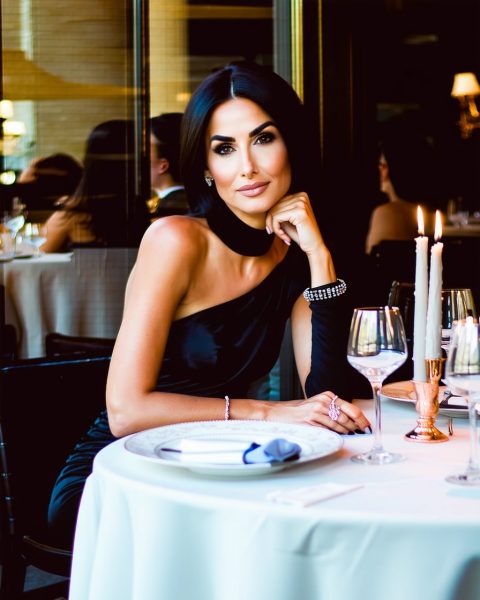
Elena Vasquez lives in Gràcia and knows the quarter on foot. She came to Barcelona for the architecture and stayed for the light, and she moves through these streets with the unselfconscious ease of someone who belongs. She speaks English, Spanish, and Catalan, and understands which restaurants fill with neighbours rather than guidebook readers.
Dinner itself is straightforward: pa amb tomàquet, seafood, cured ham, whatever catches your interest. Order wine. The food is honest rather than dramatic. What matters is the time, the company, and the fact that the city doesn't really wake up until you're eating.
Rain and the Raval
Barcelona in rain looks different. The light turns grey, the stone darkens, and you see why the city has a reputation for gloom that tourists rarely notice. The Raval, the neighbourhood west of Las Ramblas, is the place where rain sits. The streets there are narrow and old. The MACBA, the contemporary art museum, sits at one edge of Plaça dels Àngels, and on grey nights the plaza empties except for the skateboarders under the overhang.
It's quieter in rain. You notice things. The way people move faster. The sound of water on stone. This is the Barcelona that matters to people who stay longer than a week.
Afterwards, and the way back
Late-night Barcelona congregates near the waterfront or in the Born, the neighbourhood east of the Gothic Quarter where medieval lanes open onto Passeig del Born itself. This is where you end up after midnight: bars full of people who are actually drinking, not performing the act of drinking for an audience. The Cathedral floodlit behind you. The city already thinking about the morning.
The walk back through the Gothic Quarter to your hotel or apartment takes fifteen minutes from almost anywhere. Barcelona is small enough that you can cross it on foot. The streets are lit. There are other people moving. You won't feel lost.
If your hotel is in Eixample, the grid of wide streets north of Passeig de Gràcia, you walk straight up. If you're near the waterfront, you walk back along it. The city is legible at night. This is one reason people choose Barcelona for an evening out rather than somewhere larger and more fragmented.